
Traditions Chimney Sweeps: Professional Chimney Inspection Services in Damascus MD
At Traditions Chimney Sweeps, we take pride in helping Damascus homeowners keep their fireplaces operating as safely and as efficiently as possible. Our team brings years of hands-on experience, certified training, and a strong commitment to protecting your home. When we perform a chimney inspection, we look far beyond the surface to identify structural issues, hidden damage, drafting problems, moisture intrusion, and anything else that could affect performance. Whether you have a wood-burning fireplace, a gas insert, or a pellet appliance, we make sure your chimney system is ready for dependable use through every season.
What Does a Chimney Inspection Include?
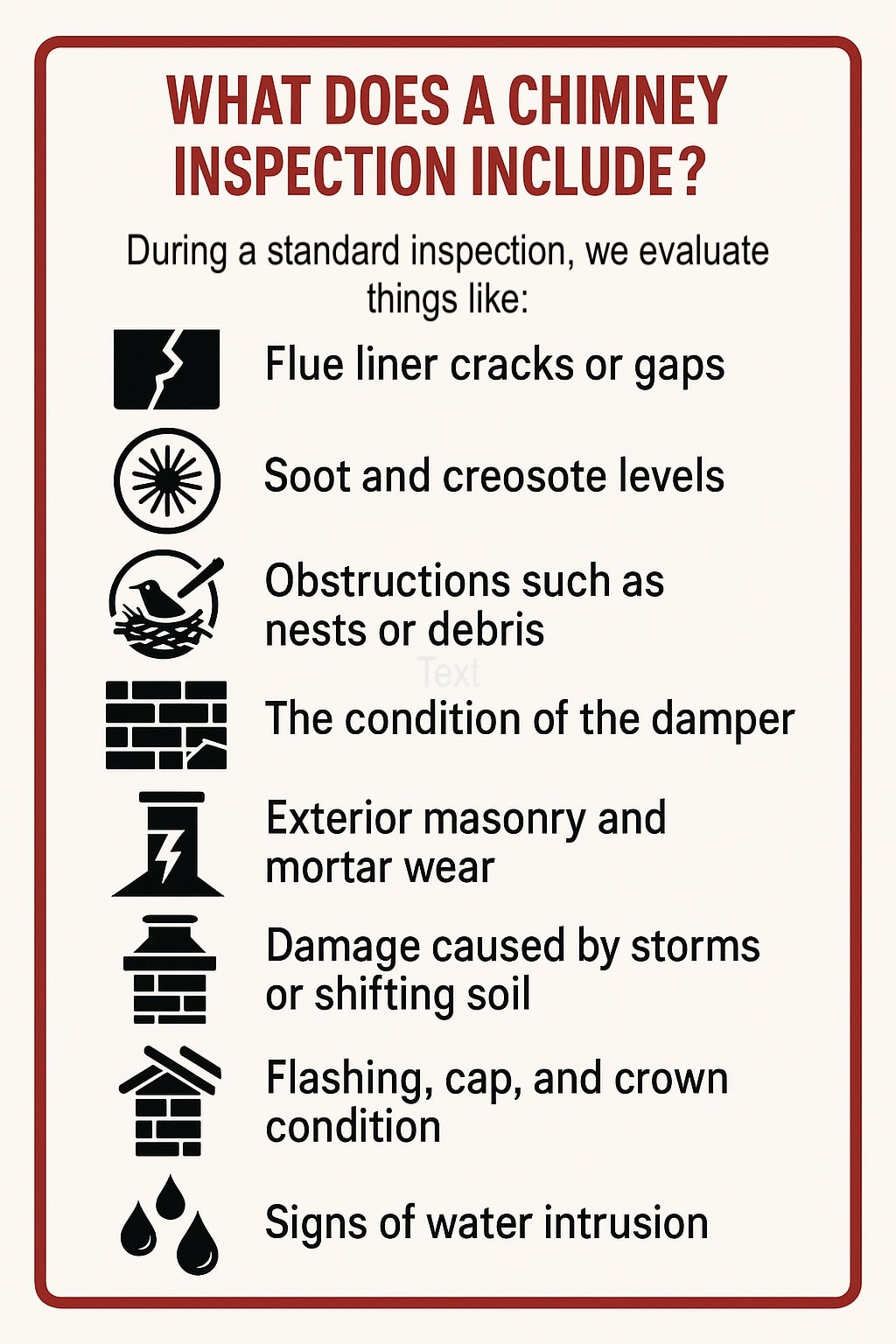
A professional inspection covers the entire system from the firebox to the flue to the exterior stack. Our goal is to pinpoint early warning signs before they develop into expensive repairs. During a standard inspection, we often evaluate things like:
- Flue liner cracks or gaps
- Soot and creosote levels
- Obstructions such as nests or debris
- The condition of the damper
- Exterior masonry and mortar wear
- Damage caused by storms or shifting soil
- Flashing, cap, and crown condition
- Signs of water intrusion
A key part of our job is educating homeowners on what we find. If anything needs repair or cleaning, we walk you through photos, diagrams, and recommendations so you fully understand what’s going on inside your system.
Your Damascus MD Chimney Company: Why We Love Serving This Area
Damascus is known for its peaceful atmosphere, beautiful parks, and strong community roots. Homeowners can explore outdoor favorites like Damascus Recreational Park, Magruder Branch Trail, and nearby Little Bennett Regional Park. The town blends rural charm with easy access to Montgomery County amenities, making it a great place for families, commuters, and anyone who wants a quieter pace of life. We enjoy serving this community because the homes here range from classic Maryland colonials to newer builds, and each chimney system brings its own unique challenges and craftsmanship needs.
How Do Storms and High Winds Affect My Chimney?
Severe weather can create chimney issues that aren’t always visible right away. High winds, tornado activity in surrounding regions, and heavy storms can weaken mortar joints, loosen chimney caps, or shift bricks. Over time, these forces may lead to drafting problems or hidden structural concerns. During our inspections, we look closely for:
- Mortar cracks that weren’t present in previous years
- Loose bricks along the stack
- Flashing that has lifted because of repeated gusts
- Chimney caps that have shifted or torn away
If your home experiences a major wind event, it’s wise to schedule an inspection before using your fireplace again. Even minor movement in the chimney structure can create gaps that allow water inside, which accelerates long-term deterioration. We’ve seen situations where one harsh season causes enough mortar decay to compromise stability, especially if the chimney was already aging.
What Should Homeowners Do After a Flood or Hurricane Before Using the Fireplace?
Excess moisture from flooding or hurricane conditions can cause significant internal chimney damage. Water can saturate the flue, wash debris into the system, and even soften mortar joints. Before you light a fire after a major weather event, we encourage homeowners to take the following steps:
- Avoid using the fireplace entirely until a professional inspection is completed
- Check surrounding walls and ceilings for discoloration
- Look for lingering damp odors in the firebox
- Make sure the damper hasn’t rusted or seized
- Note any debris that may have washed into the hearth
When we inspect chimneys after severe storms, we use specialized cameras to examine interior surfaces. Even if everything looks normal from the outside, small cracks, gaps, or soaked insulation can create safety issues. A thorough inspection ensures your system is dry, stable, and ready for use.
Can Earthquakes or Ground Vibrations Cause Hidden Chimney Damage?
Even minor seismic tremors, construction blasting, or nearby heavy equipment can shift a chimney enough to loosen mortar joints or create hairline liner cracks. These cracks are often too small to see without professional tools but can affect drafting and allow heat to reach areas that weren’t meant to get hot.
When we’re inspecting chimneys in areas that occasionally experience ground vibration, we pay close attention to:
- Mortar separation
- Slight tilting or leaning at the top of the stack
- New cracks above the roofline
- Internal liner fractures that show up on video scans
Left unaddressed, a few small cracks can expand over a season, especially during freeze thaw cycles. That’s why annual inspections are valuable. One missed year can allow enough deterioration to make the system harder to repair later.
How Do Professionals Detect Microscopic Cracks in a Chimney Liner?
Some chimney liner damage is impossible to spot with the naked eye. That’s where our advanced video inspection equipment comes in. We run high resolution cameras through the flue to identify issues that traditional inspections might miss. This allows us to evaluate:
- Tiny fractures in clay tiles
- Gaps between liner sections
- Pitting or early stage erosion
- Areas where moisture has begun seeping through
Microscopic damage can grow rapidly, especially if the chimney sees heavy seasonal use. When combustion byproducts get trapped in small gaps, they can eat away at materials much faster. Our inspections give you a clear picture of the condition of your liner so we can recommend repairs or relining before more serious issues develop.
Can a Missed Annual Inspection Allow Enough Creosote to Cause a Fire?
Creosote buildup varies depending on fuel type, appliance design, and usage habits. Wood with high moisture content, poor draft, or smaller appliances that run cooler all contribute to faster buildup. Missing just one annual inspection can allow creosote to accumulate more than homeowners expect. During our inspections, we often find:
- Stage 1 powdery deposits
- Stage 2 flaky or shiny buildup
- Stage 3 hardened glaze that requires specialized tools
If left unchecked, creosote can ignite under the right conditions. An annual inspection helps us catch that buildup early so we can recommend sweeping before it becomes a major problem.
Schedule Your Chimney Inspection in Damascus, MD Today
At Traditions Chimney Sweeps, our goal is to keep your Damascus home safer, more comfortable, and ready for the next cold snap. If it’s been a while since your last inspection or you’ve noticed changes in how your fireplace performs, we’re here to help. Call us today to schedule your chimney inspection and let our team take care of your chimney with the attention it deserves.
Mon - Fri: 9 AM - 5 PM
Sat - Sun: Closed